

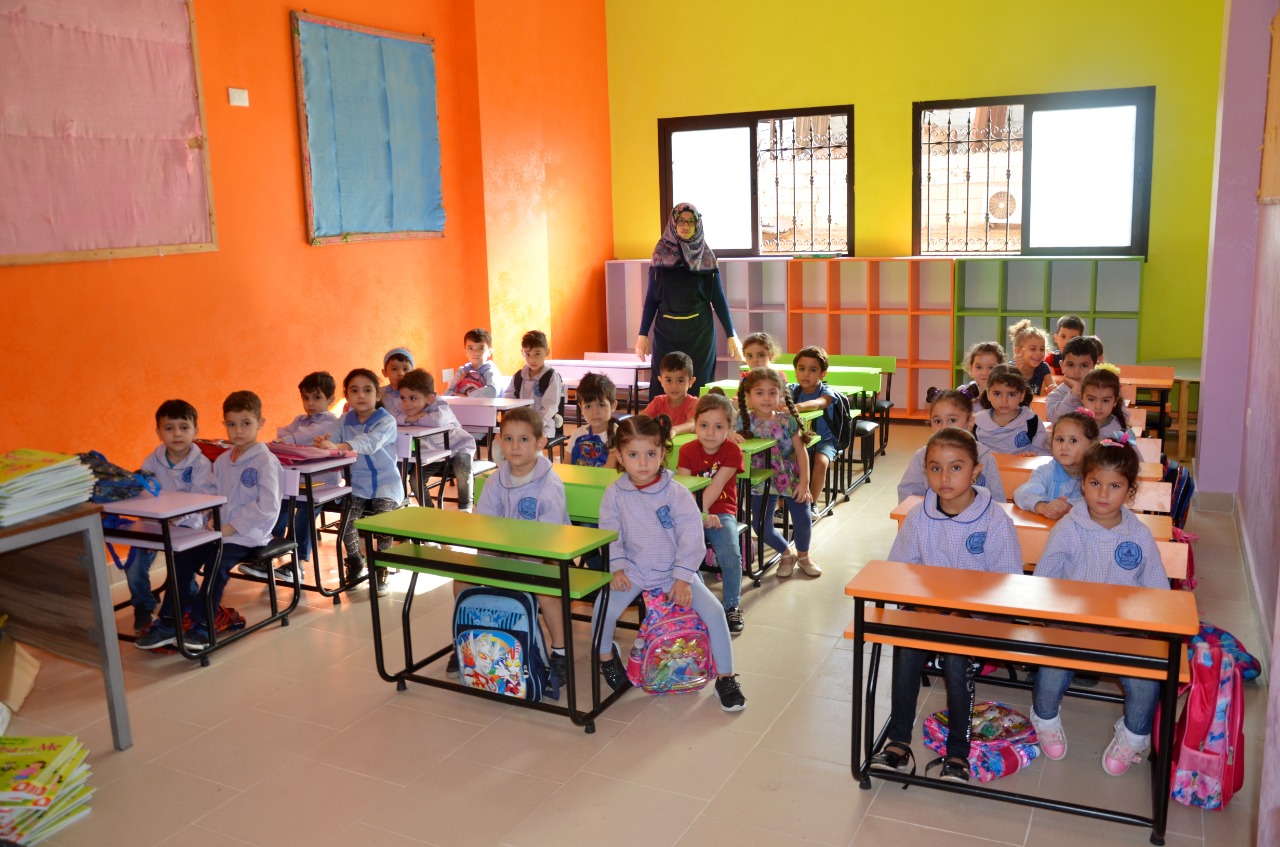
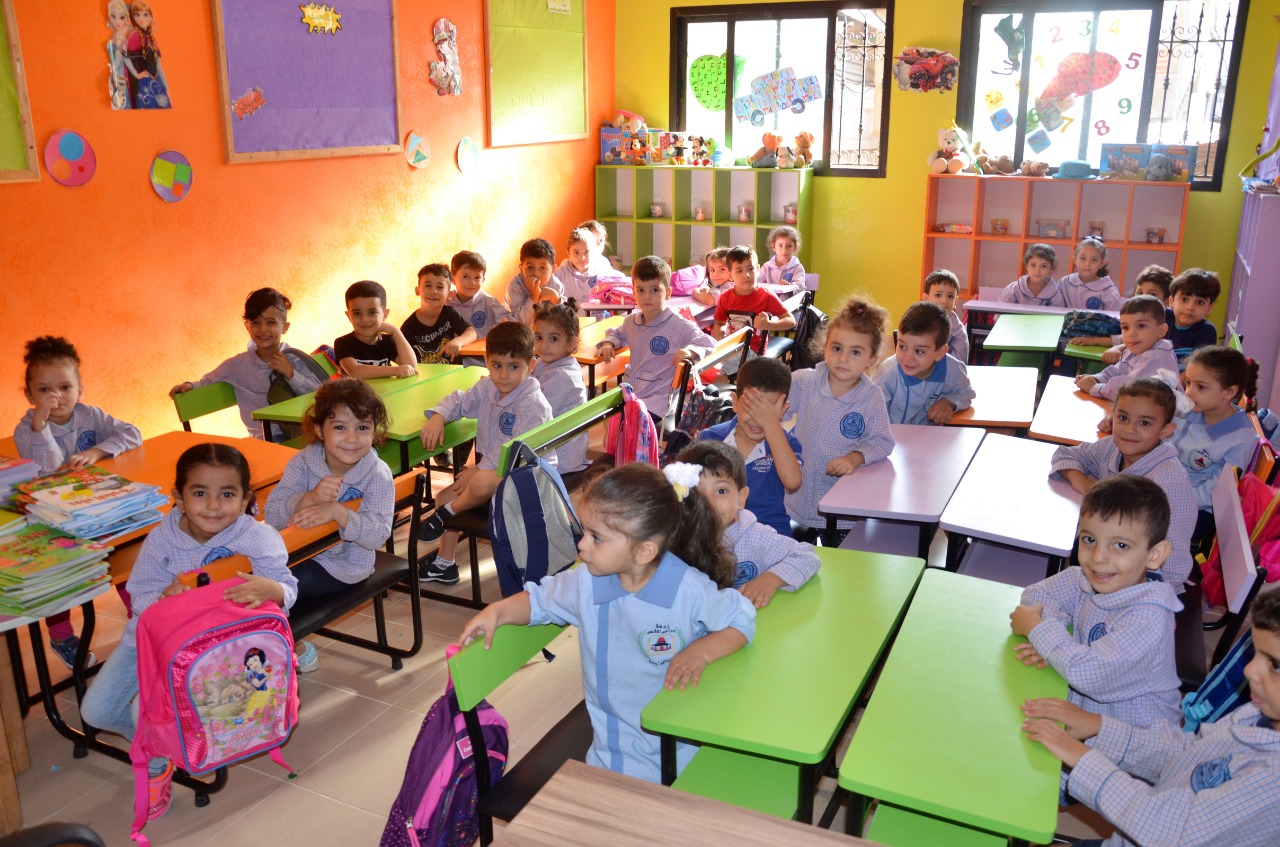
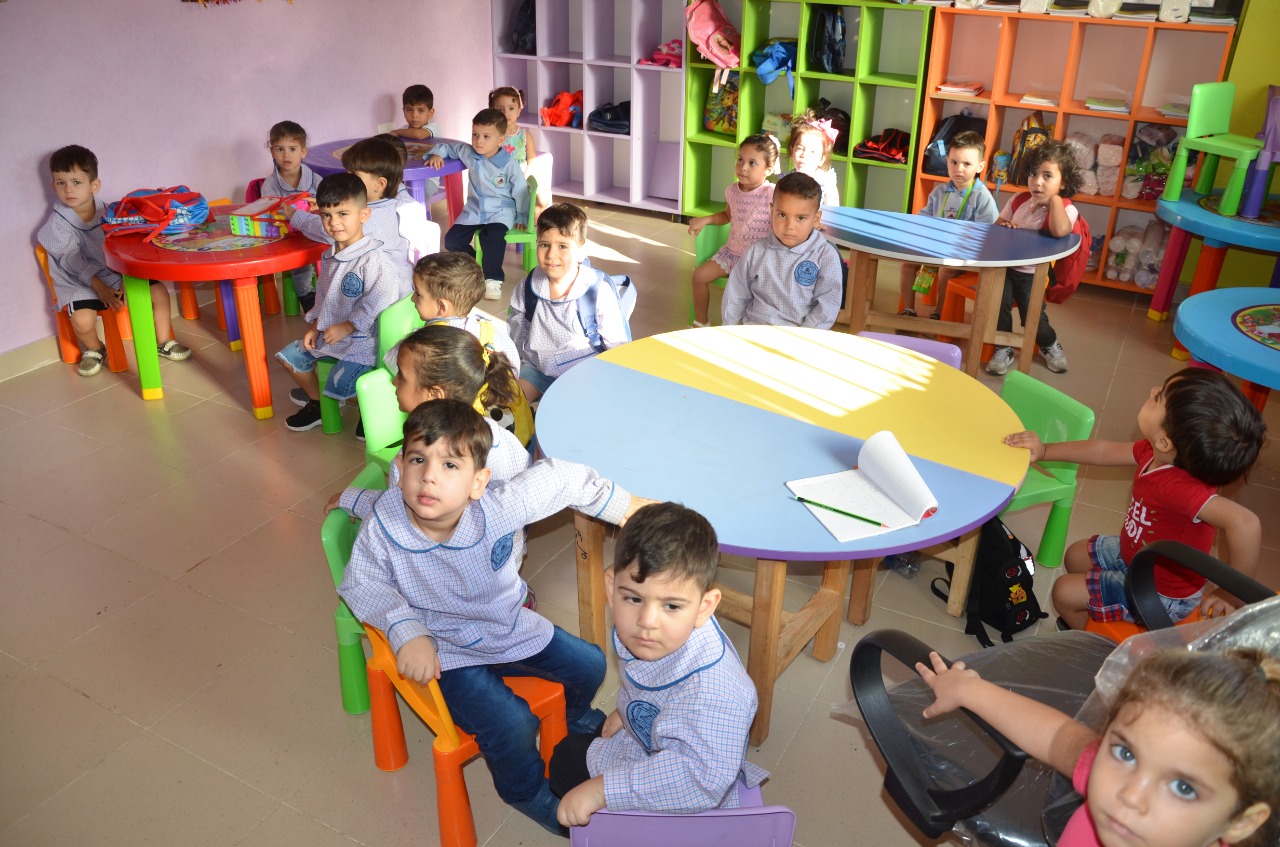
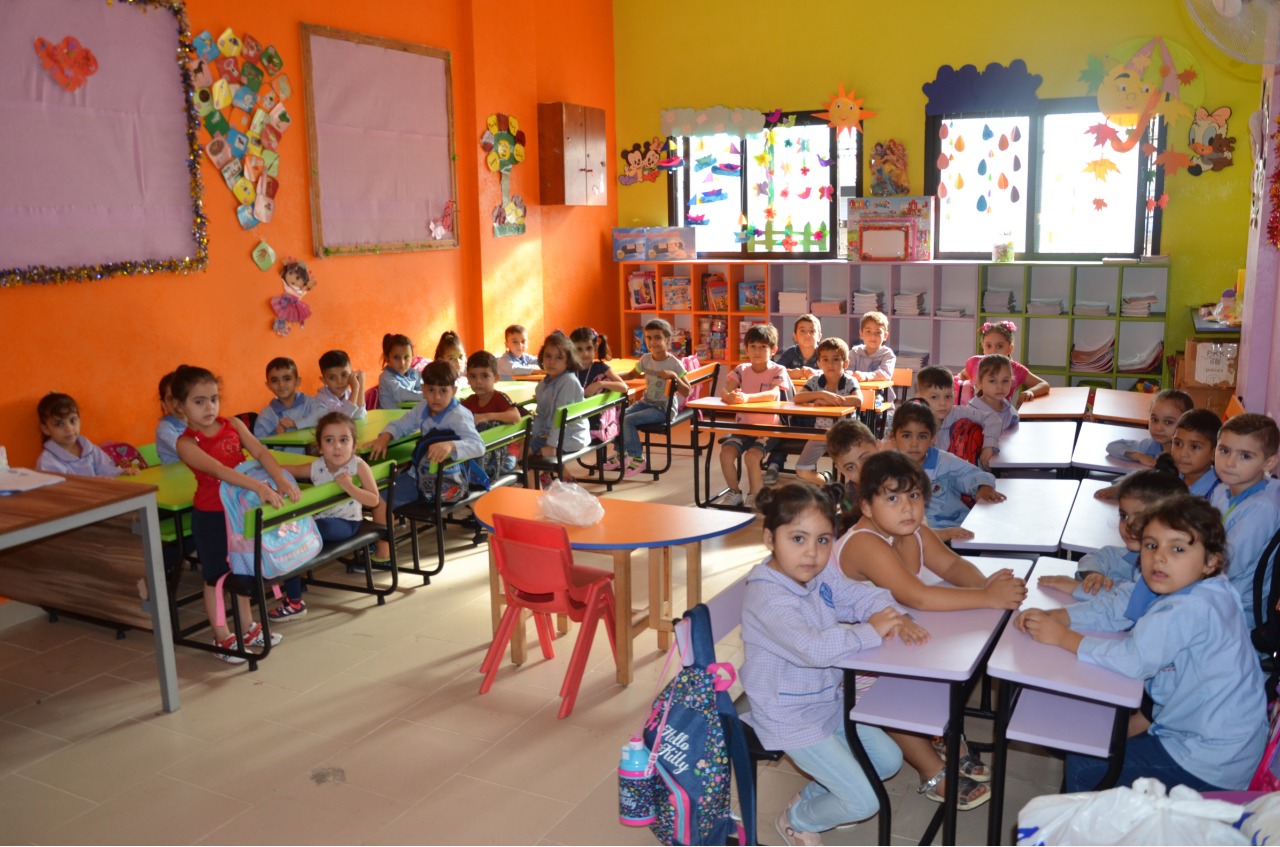
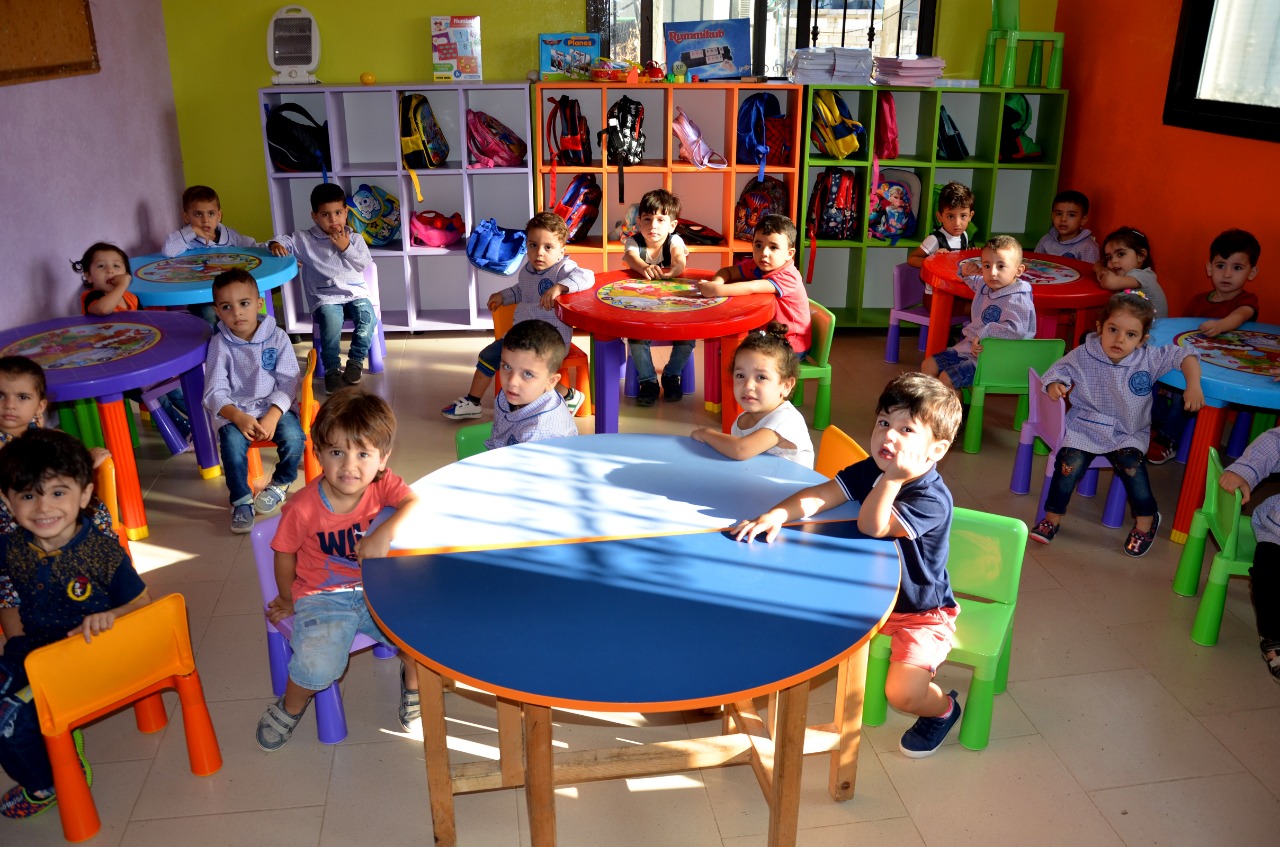
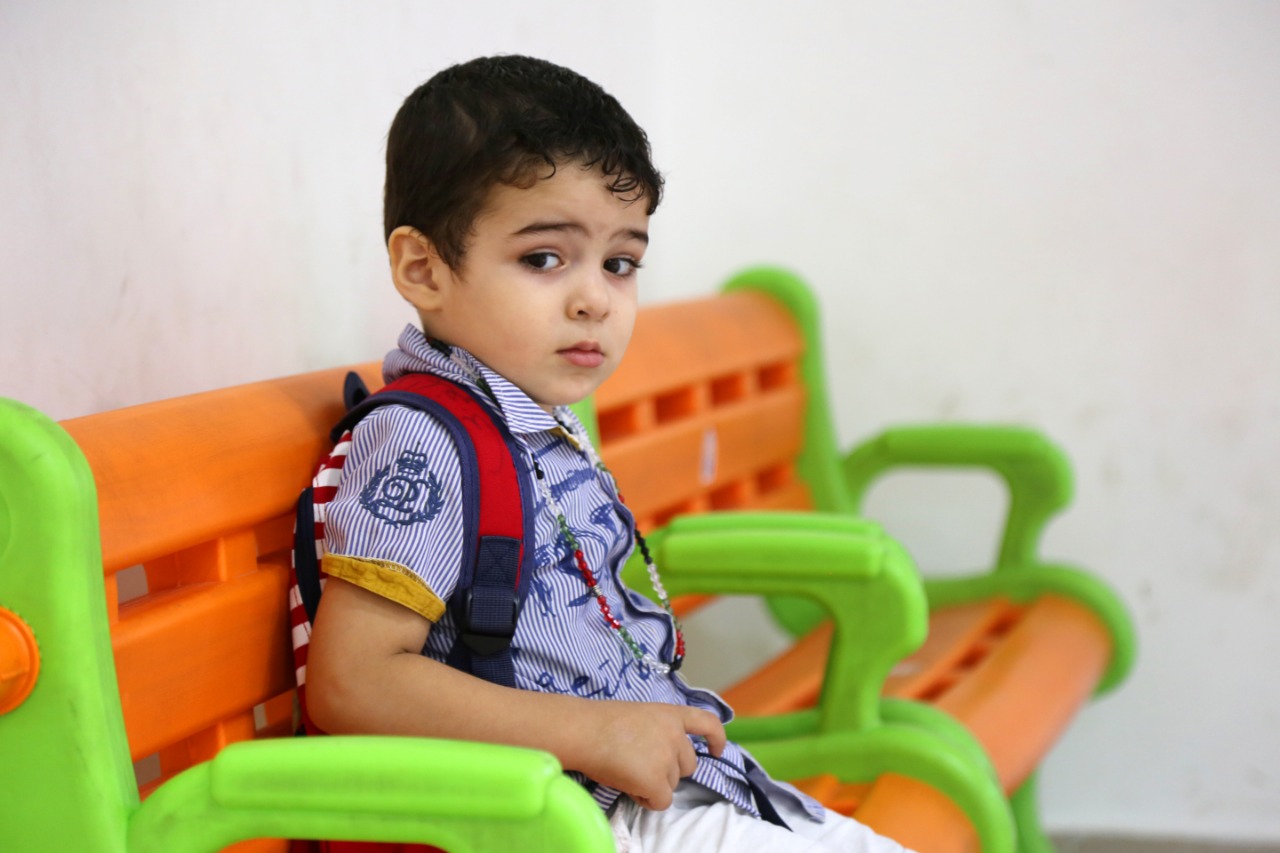
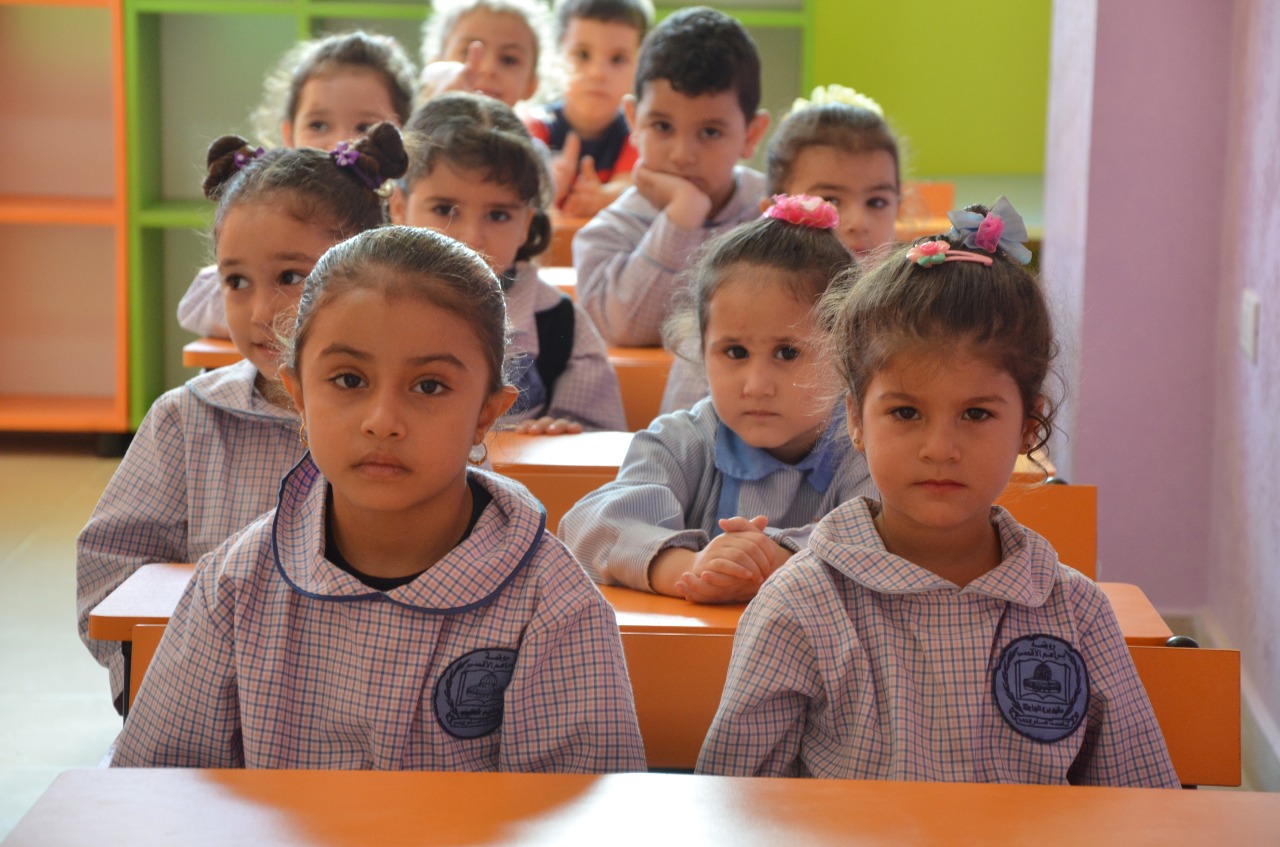
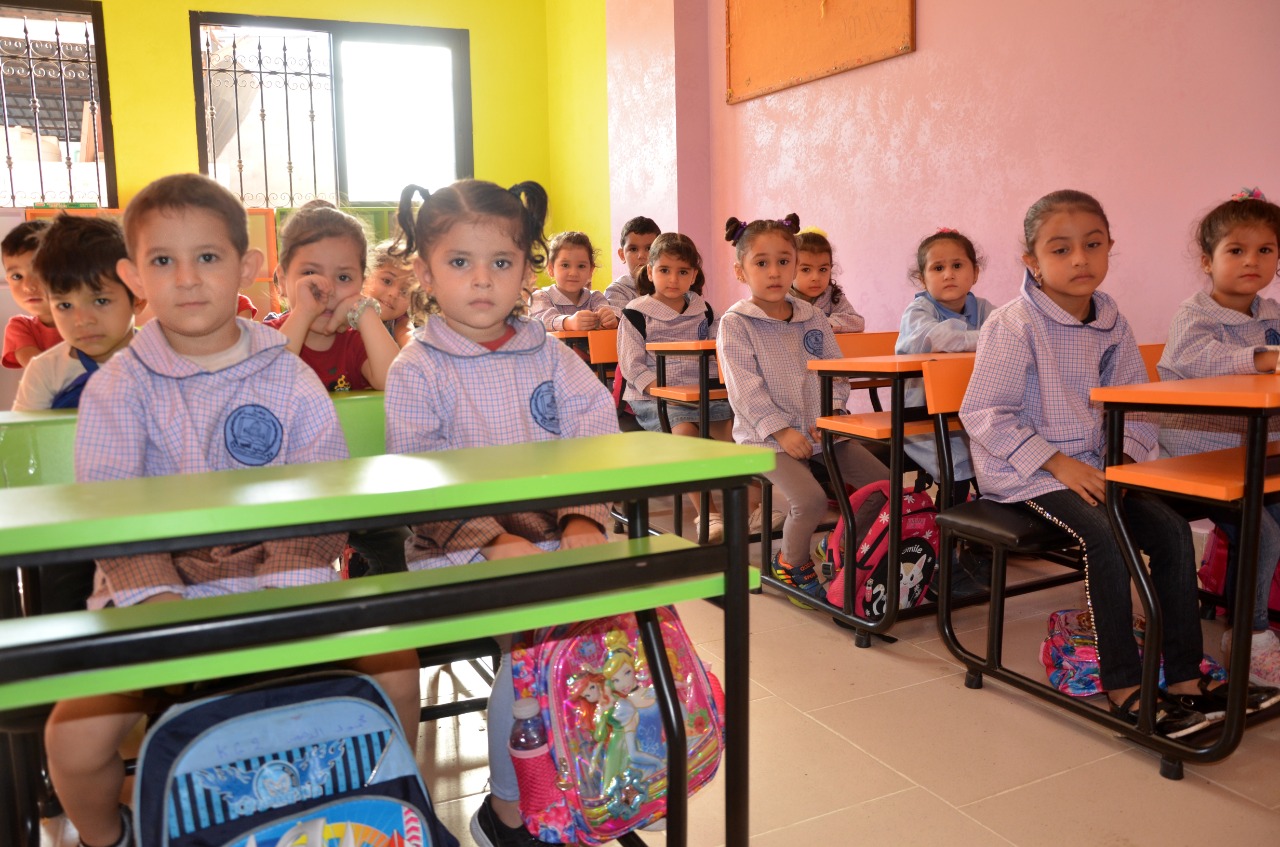
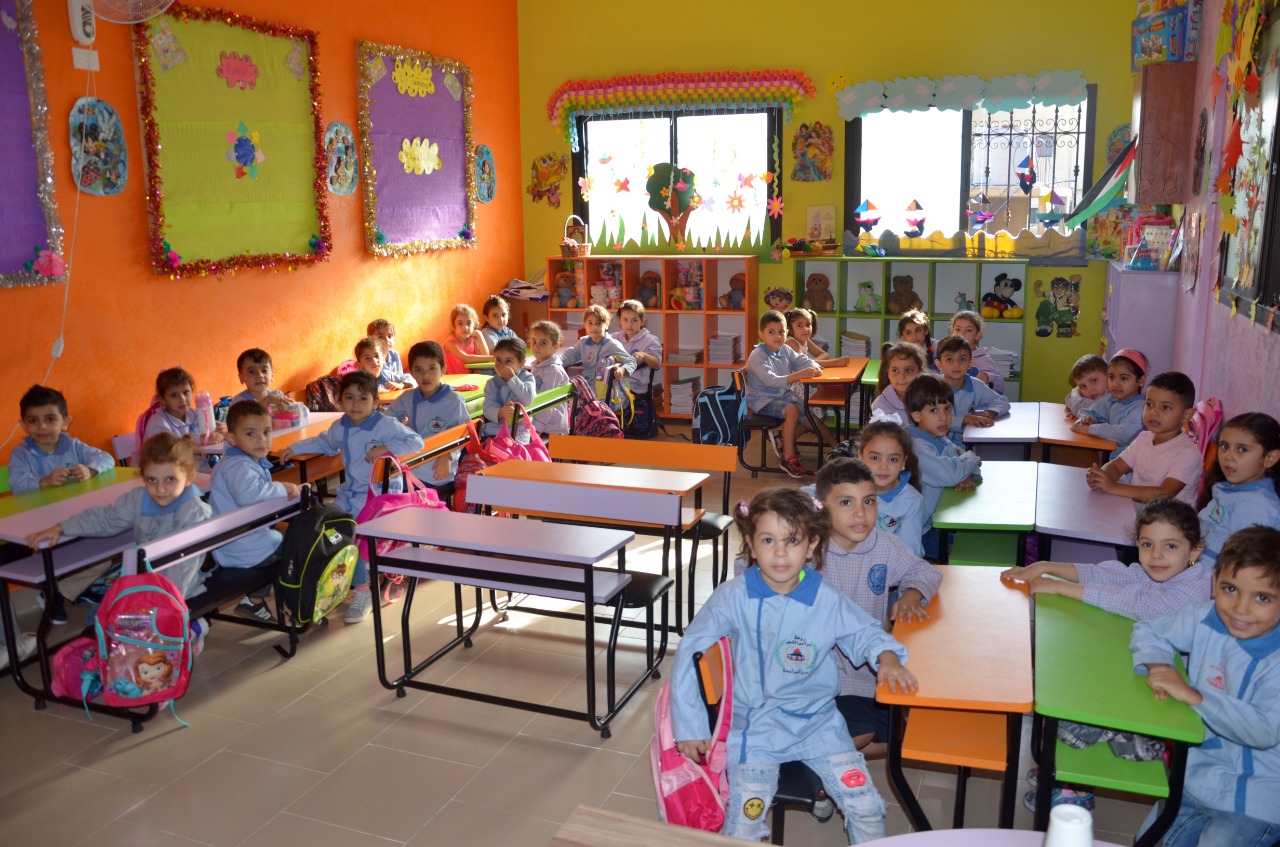
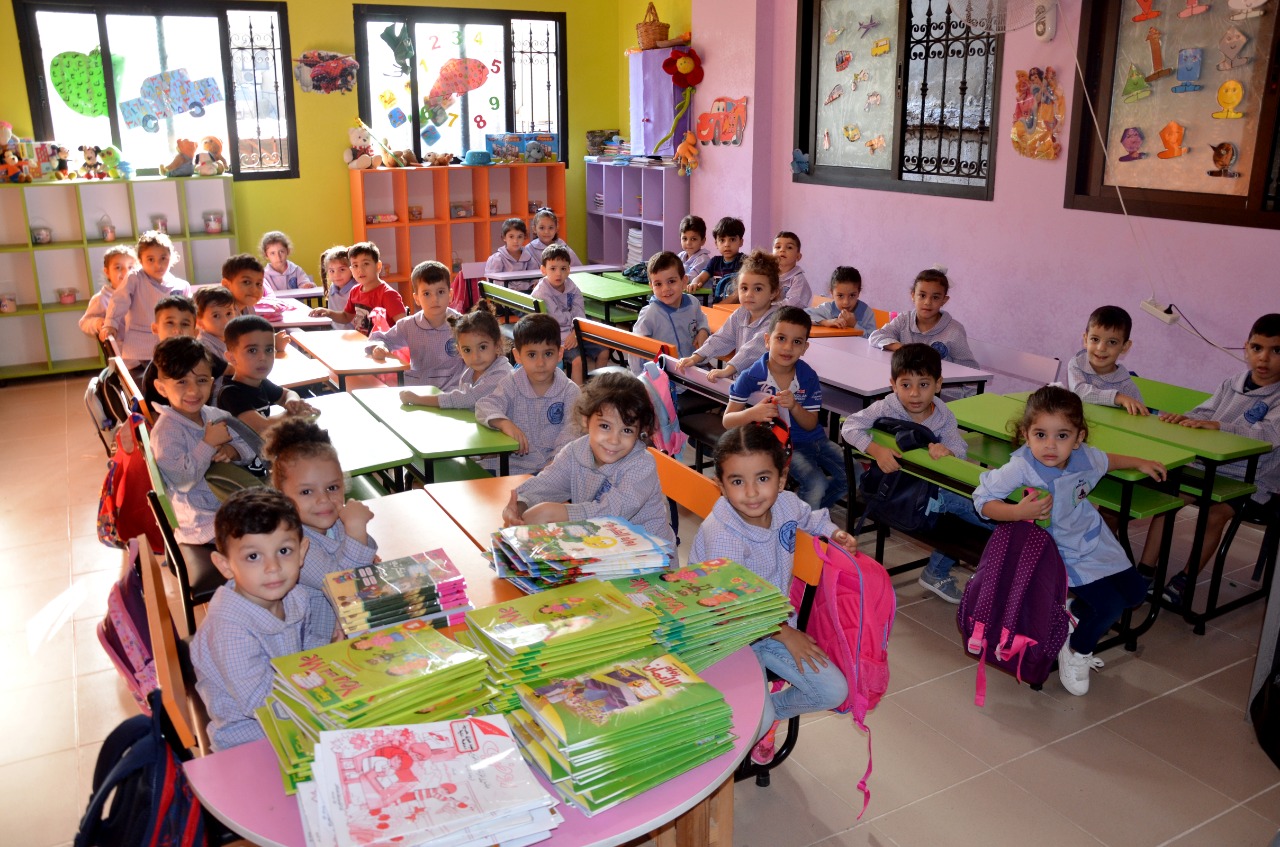
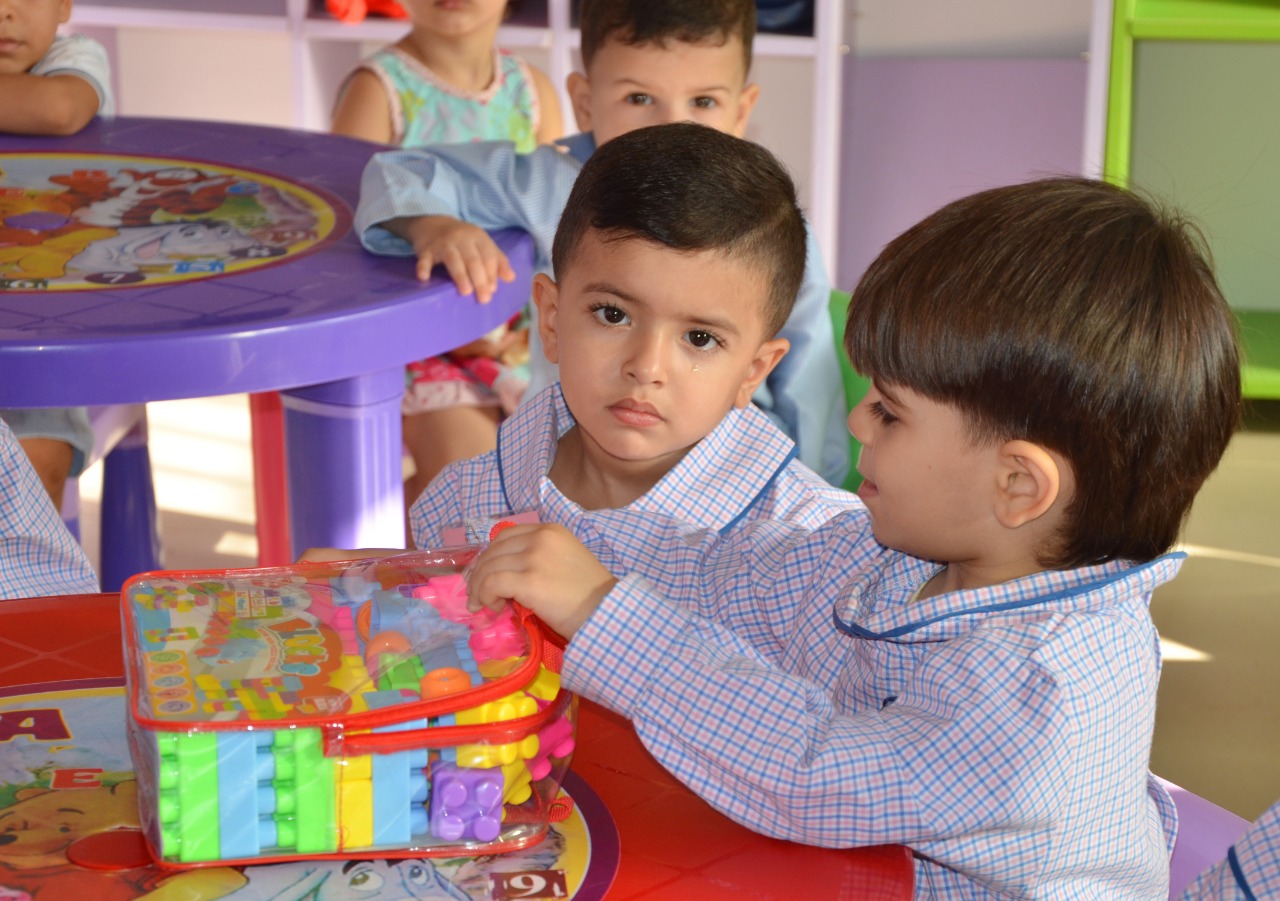
The opening of the new academic year in Al-Aqsa kindergarten was excited.
The 2018-2019 academic year began at al-Aqsa kindergarten, where Sadakatasi association inaugurated in 2015.
About 200 students between the ages of 3 and 6 are studying at the kindergarten where Palestinian refugee children are educated at the Burj Al Barajne refugee camp in Lebanon.
Lebanon, Al-Aqsa Kindergarten which built at Beirut, is a private school where 240 Syrian and Palestinian refugee children, most of them orphans, will be trained on a full scholarship. Thanks to the training given here, it is targeted that the orphans will reintegrate into society knowledge, skills and psychologically.
President of the association Kemal Ozdal made a statement that "good luck with the new academic year to our brothers and sisters who will be educated at Al Aqsa Kindergarten. We are happy to provide the opportunity for the children of refugee families to receive modern education thanks to the school, which we built in the Burj El Barajne camp. We will continue to work on aid for Palestinian refugees in all topics of their lives."
Why is Al-Aqsa kindergarten important?
Palestinian and Syrian refugee children living in camps in Lebanon can not receive education from official educational institutions. Also, the United Nations' educational opportunities in the camps do not meet even 10% of this need. Therefore, special educational institutions built through NGOs are needed. Our association, which active in refugee homes in Lebanon for many years, targets to contribute to the education problem that it is assumed one of the biggest problems in these camps.
Al-Aqsa kindergarten, which was opened by our association, is a kindergarten project where Palestinian and Syrian refugee children living in Lebanon between the ages of 3 and 6 can receive an education. El Aksa Kindergarten is 4 storey. The ground floor is the management department of the kindergarten. 6 classrooms where children will be educated are located in the 1st and 2nd floor. The kindergarten had a capacity of 240 children.


